Frequently Asked Questions
Helpful answers about admissions, learning, support and everyday life at Maple School.
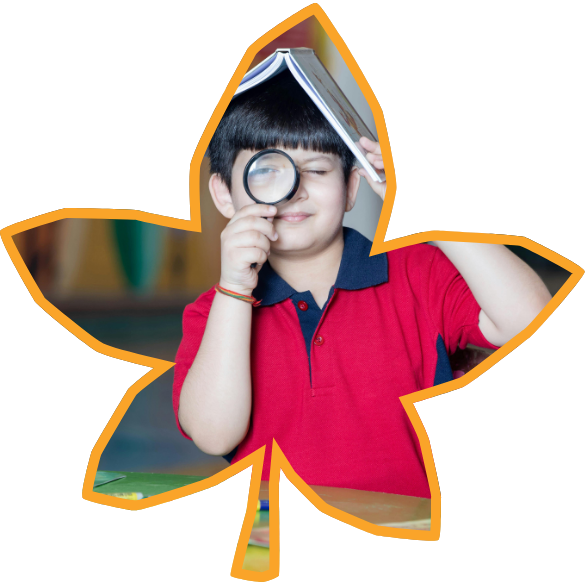
Maple School is a DfE-registered, independent specialist primary school in Gipton, Leeds. We provide a nurturing, inclusive and aspirational learning environment where children receive education and support tailored to their individual needs.
Maple School is located at Harrison Crescent, Gipton, Leeds, LS9 6NP.
We provide specialist education for children aged 5 to 11 years. As a primary school, our approach is designed around the educational, developmental and emotional needs of younger pupils.
Our pupils may have a range of needs, including social, emotional and mental health needs, autism, cognition and learning needs, and communication difficulties.
Every child is considered individually to ensure that Maple School can provide the education, environment and support they require.
Our curriculum is based on the National Curriculum and is broad, balanced, ambitious and engaging.
Teaching is adapted appropriately to reflect pupils’ different abilities, needs, interests and starting points. Alongside academic learning, the curriculum supports personal development, independence, communication, wellbeing and preparation for the next stage of education.
We do not take a “one size fits all” approach. Staff take time to understand each pupil’s strengths, previous experiences, interests, barriers to learning and areas in which they need additional support.
Lessons, activities and teaching approaches can then be adapted to provide an appropriate level of challenge while helping the child feel secure, engaged and able to succeed.
Progress looks different for every child. We recognise academic achievement as well as meaningful improvements in communication, confidence, emotional regulation, engagement, relationships and independence.
Pupils’ individual starting points are taken into account so that their progress reflects their own development rather than a single expectation applied to everyone.
Maple School works in partnership with Prosperity Children’s Services to provide therapeutic wrap-around support for children.
This strengthens our trauma-informed and trauma-responsive approach. We focus on creating a safe and secure environment, building trusting relationships and helping children become ready to engage with learning.
All formal referrals must be made directly to Maple School by the child’s local authority.
Our team reviews the information provided and considers whether the school can meet the child’s needs effectively. Where Maple School may be suitable, the child and their parent or carer will be invited to visit and learn more about the provision.
Yes. Parents and carers are welcome to contact us to find out more about Maple School and discuss whether the provision may be appropriate for their child.
Where we believe we may be able to meet the child’s needs, we can arrange a visit so that the family can meet members of our team, see the school and ask questions. A formal referral must still be made by the local authority.
Yes. Maple School can receive referrals from local authorities at any point during the year.
Each referral is considered carefully, taking account of the child’s individual needs and whether an appropriate place is available.
Every new pupil receives a personalised admission and transition programme.
This may include visits to the school, introductions to key members of staff and opportunities to become familiar with the environment and daily routines. The transition is shaped around the individual child to help them feel as comfortable and secure as possible.
Pupils attend Maple School for 190 days across 39 weeks of the year.
Current term dates, holidays and staff training days can be found on the Term Dates page of the website.
Pupils have the opportunity to enjoy a healthy breakfast when they arrive at school. This also gives them time to settle into the day and socialise safely with staff and other pupils.
School lunch is provided, with a range of choices and opportunities to try different foods. Where appropriate, meals may also be connected to cultural and religious festivals and celebrations.
The basic school uniform consists of:
A Maple School or plain white polo shirt
A Maple School or plain black sweatshirt or jumper
Black trousers
Smart, plain black footwear
For PE, pupils need plain black shorts or jogging bottoms, a plain white T-shirt and plimsolls or training shoes.
Maple School provides the equipment and stationery pupils need, including a pencil case and home-school diary. Pupils should not bring money, jewellery, mobile phones, food, drinks or other personal items into school.
Yes. Relationships and Sex Education is taught in an age and ability-appropriate way. It helps pupils understand healthy relationships, appropriate boundaries and how to keep themselves safe.
Religious Studies helps children develop factual knowledge of different religions, beliefs and cultures. It also promotes tolerance, respect, equality and understanding. Parents and carers can contact the Head Teacher for information about their rights regarding withdrawal from particular elements.
Safeguarding pupils’ welfare, health and safety is central to everything we do. Maple School follows national guidance, including Keeping Children Safe in Education, and all members of staff receive safeguarding and child protection training.
Maple School is a “telling school”. Pupils, parents, carers and staff are encouraged to report concerns, however small they may appear. Bullying is not tolerated, and staff respond sensitively and promptly to concerns.
The school’s Designated Safeguarding Lead is Head Teacher Will Riley.
Maple School has a medical room and secure facilities for storing medication.
Individual risk assessments are prepared where required and agreed with parents or carers. Nominated members of staff are trained to administer prescribed medication, and all medication administered at school is recorded and stored securely.
Parents and carers should provide the school with complete and current information about their child’s health, medication and medical needs.